
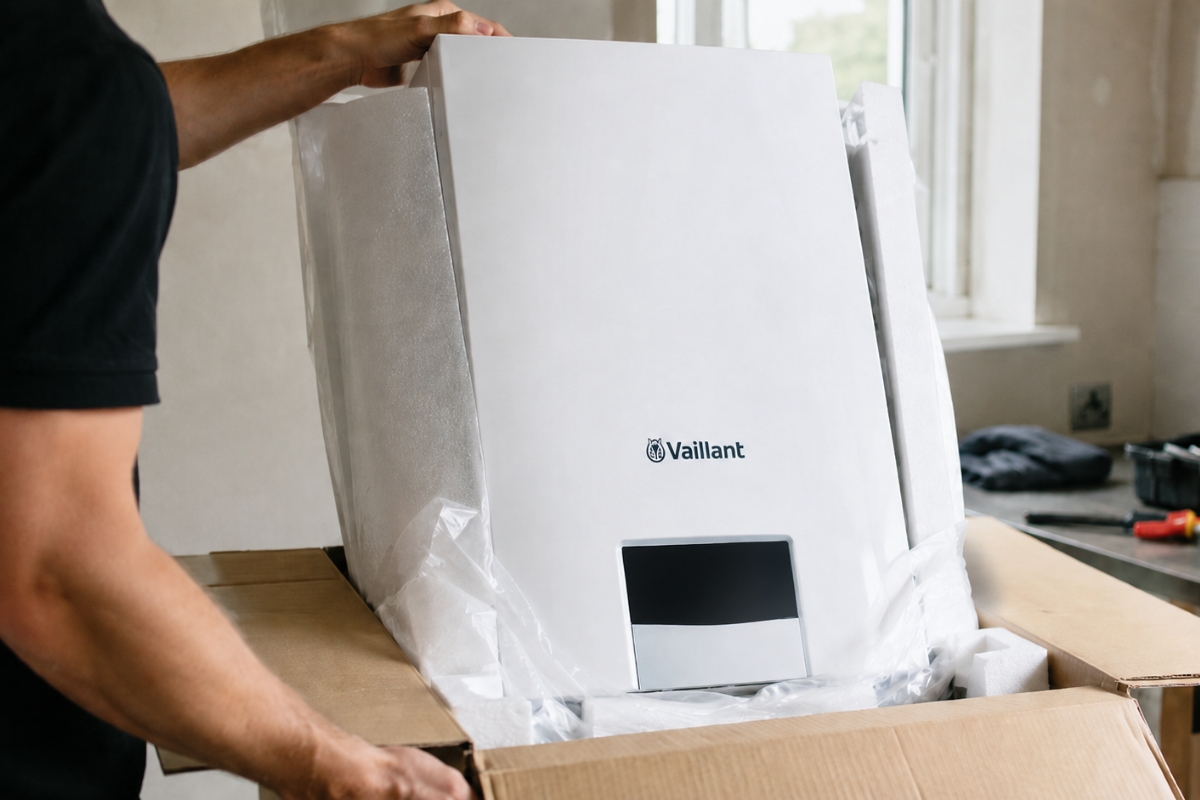
A new boiler is a big investment, so it is worth knowing when replacement makes sense, what the work involves and which type of boiler is right for your property.
In this guide we will cover the main things to consider before arranging a boiler installation or replacement.
When might you need a new boiler?
Not every boiler fault means you need a replacement, as some issues can be fixed with a repair. This can especially be the case if the boiler is fairly new and parts are easy to source.
A new boiler may be the better option if:
- Your boiler breaks down regularly
- You often lose heating or hot water
- Repairs are becoming expensive
- Replacement parts are hard to find
- Your energy bills have increased
- The boiler is making unusual noises
- Some rooms are not heating properly
- Your hot water demand has changed
- The boiler is more than 10 to 15 years old
Before recommending a replacement, an engineer should check the full heating system. Sometimes the issue is with the controls, pipework, radiators or water pressure rather than the boiler itself.
What does a boiler replacement involve?
A boiler replacement starts with a survey of your current system. This helps the engineer understand what type and size of boiler you need.
Things they usually check are:
- Property size
- Number of bathrooms
- Number of radiators
- Hot water use
- Existing pipework
- Boiler location
- Flue position
- Fuel type
- Water pressure
- Heating controls
Once the right boiler has been chosen, the old boiler is disconnected and removed. The new boiler is then fitted, connected, tested and commissioned.
The engineer may also recommend cleaning or flushing the system. This removes sludge and debris from the pipework and radiators, helping to protect the new boiler.
How long does it take?
A straightforward boiler replacement in the same location will usually take one to two days. More complex jobs can take longer.
The work may take more time if:
- The boiler is being moved
- The property is changing boiler type
- New pipework is needed
- The gas supply pipe needs upgrading
- A hot water cylinder is being added or removed
- The flue route needs changing
- Radiators or controls need replacing
You will usually be without heating and hot water while the work is being carried out, so it is always worth asking about timescales before installation begins.
Types of boiler
There are three main types of domestic boiler.
Combi boilers
A combi boiler provides heating and hot water from one unit. It does not usually need a separate hot water cylinder or cold-water tank.
This makes it a popular option for smaller homes or properties with limited space. Combi boilers work best where mains water pressure is strong and hot water demand is not too high.
System boilers
A system boiler works with a separate hot water cylinder. This allows hot water to be stored and used by more than one outlet at a time.
System boilers are often suitable for homes with more than one bathroom or higher hot water use.
Conventional boilers
Conventional boilers are also known as regular or heat-only boilers. They usually work with a hot water cylinder and cold-water storage tank.
They are often found in older properties and may be suitable where this type of system is already in place.
C.S. Plumbing and Heating Services works with gas, oil and LPG boilers, so the right option will depend on the property and existing setup.
How much does a new boiler cost?
The cost of a new boiler depends on the boiler type, brand, property size and complexity of the installation.
A like-for-like replacement in the same location is usually the simplest option. Costs can increase if the boiler needs moving, the system type is changing, pipework needs altering or other parts of the heating system need upgrading.
The final quote may also depend on:
- Boiler model
- Warranty length
- Heating controls
- Magnetic filters
- System cleaning
- Radiators or radiator valves
- Hot water cylinder work
- Flue changes
- Fuel type
A cheaper boiler is not always the best option. Reliability, warranty cover, parts availability and future servicing should all be considered.
C.S. Plumbing and Heating Services provides a free survey and quote, so the price is based on your property and heating requirements.
Boiler brands
Common boiler brands in the UK include Worcester Bosch, Vaillant, Ideal, Baxi, Potterton and Glow-worm.
C.S. Plumbing and Heating Services is accredited by Worcester Bosch and Vaillant, both of which offer boilers for different property types, budgets and heating systems.
There is no single best boiler for every home. The right choice depends on the size of the property, number of bathrooms, hot water demand, available space, fuel type and existing system.
Things to be aware of
A new boiler may work with your existing radiators and pipework, but this should always be checked first.
Older systems may need cleaning, repairs or upgrades before the new boiler is fitted. Poor water pressure, sludge, narrow pipework or outdated controls can all affect performance.
Before booking the work, ask what is included in the quote. Check whether system cleaning, new controls, filters and any required pipework changes are included.
You should also ask about the warranty, servicing requirements and how long you are likely to be without heating and hot water.
Gas boiler work must be carried out by a Gas Safe registered engineer. Oil and LPG systems should also be handled by suitably qualified engineers.
New boiler installation in Southampton
C.S. Plumbing and Heating Services provides boiler installation and replacement across Southampton and the surrounding areas.
Our team can assess your current heating system, explain your options and recommend a suitable boiler for your property.
For advice on a new boiler or to arrange a FREE QUOTE, call C.S. Plumbing and Heating Services on 0800 015 61 71 or complete our online contact form