
At CS Plumbing and Heating, we speak to many homeowners in Southampton who are curious about switching from gas central heating to something more efficient and future-proof. One of the most common questions we hear is: what actually is an air source heat pump and how does it work?
If you already have a gas boiler, you may be wondering if an ASHP installation is worth considering. In this blog, we explain what an air source heat pump is, how it works, why people are choosing it over other systems and what to think about before going ahead with one.
So, what exactly is an ASHP?
What is an air source heat pump (ASHP)?
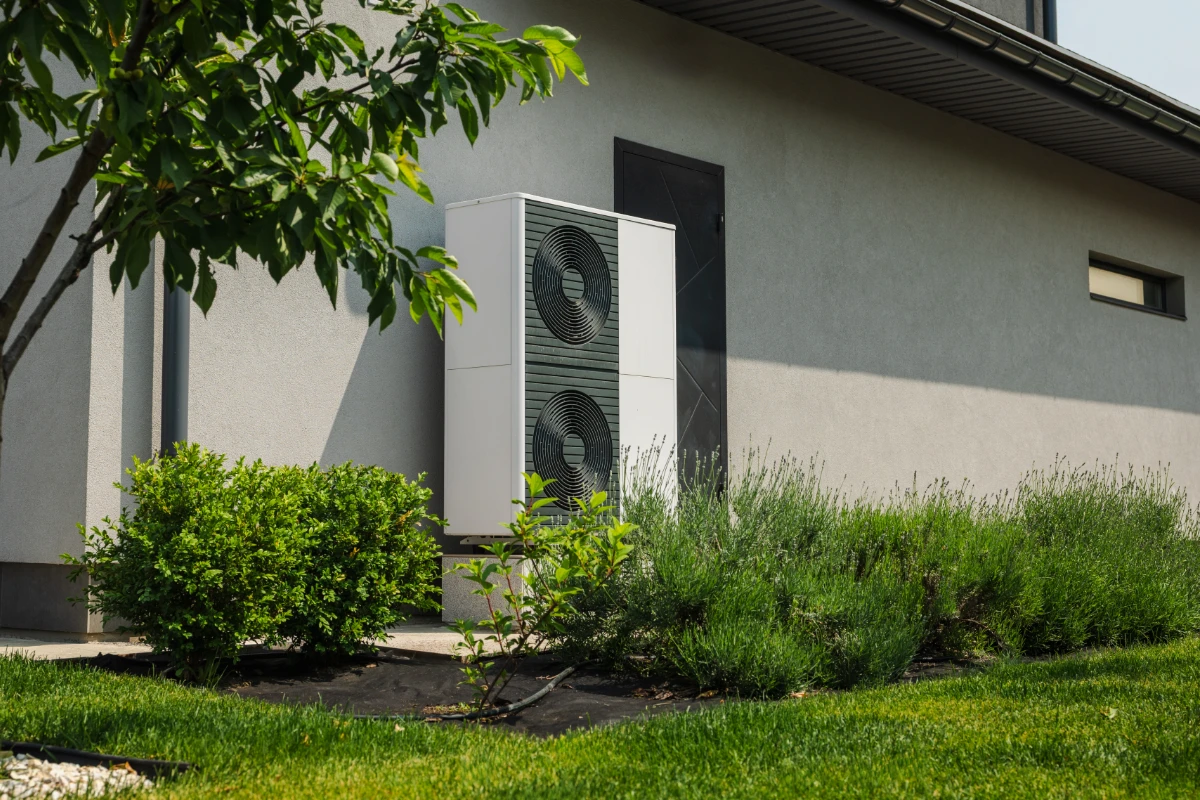
An air source heat pump, often shortened to ASHP, is a renewable heating system that takes heat from the outside air and transfers it into your home.
Even when it feels cold outside, there is still heat energy in the air. An ASHP takes that energy and uses it to provide heating and hot water. Instead of burning fuel like a gas boiler, it moves heat from one place to another using a refrigerant system, a compressor and a heat exchanger.
In other words, an air source heat pump can heat your radiators, supply underfloor heating, provide domestic hot water and in some systems, offer a cooling effect for your home during warmer months.
When properly designed, an ASHP can entirely replace your existing central heating system. But how?
How does an air source heat pump work?
The process behind an air source heat pump installation is based on well-established refrigeration technology. Put into steps:
1. The outdoor unit draws in air and absorbs its heat into a liquid refrigerant.
2. The refrigerant is compressed, which increases its temperature.
3. The heat is transferred into your heating system and hot water cylinder.
4. The refrigerant cools down and the cycle starts again.
Because the system transfers heat rather than creating it by burning fuel, it can be very efficient. For every unit of electricity used to run the compressor and fan, several units of heat can be delivered into your home.
Why replace gas central heating with an air source heat pump?
Many homeowners start looking into air source heat pump installation because of the rising energy costs and growing worry over carbon emissions.
Here are some of the main reasons people choose an air source heat pump over a gas boiler.
Lower carbon emissions
An ASHP does not burn fossil fuels on site. If your electricity supply becomes greener over time, your heating system becomes greener too. For homeowners who want to reduce their environmental impact, a heat pump installation is a real, practical step.
Long term efficiency
Heat pumps operate at lower temperatures than traditional boilers, but they run for longer periods at steady levels. This steady operation can lead to a more efficient performance and reliable comfort.
Future proofing your home
With growing focus on low carbon heating, many see ASHP installation to future-proof their property. Rather than replacing an ageing boiler with another gas appliance, they want to invest in a system that is designed with the long-term in mind.
Is my home suitable for ASHP installation?
One of the biggest questions around air source heat pump installation is whether it’s possible in every property. The honest answer is that suitability depends on several factors.
Insulation
A well-insulated home is essential. Because an ASHP works at lower flow temperatures than a gas boiler, it reduces heat loss. Loft insulation, cavity wall insulation and good windows all help as well.
Radiators and heating system
Some homes need larger radiators or underfloor heating to get the best from a heat pump installation. During a survey, we calculate the heat loss of each room to check whether your existing radiators are suitable.
Space requirements
An air source heat pump requires an outdoor unit, usually positioned at ground level or mounted on brackets. Indoors, most systems need a hot water cylinder. If you currently have a combi boiler without a cylinder, this is something to consider.
Noise
Modern ASHP systems are much quieter than older models, but they do produce a low fan and compressor sound. Careful positioning ensures it remains unobtrusive.
When might an ASHP not be the right choice?
While many properties are suitable, there are cases where additional work is required first.
Very poorly insulated homes may need upgrades before an ASHP installation makes financial sense. Properties with very limited outdoor space or certain planning restrictions can also present challenges.
That is why a proper assessment is so important. A heat pump installation should always be designed around the property, not treated as your everyday boiler swap.
What happens during air source heat pump installation?
In a professional ASHP installation process, the first step is a detailed home survey and heat loss calculation. This ensures the system is correctly sized. Getting the specification right is crucial for performance and running costs.
Next, the system is designed to work with your radiators, pipework and hot water requirements. If upgrades are needed, they are planned in advance.
The installation itself typically takes several days, depending on the complexity of the system and whether radiator changes are required. Once fitted, the system is fully tested and commissioned. You’re shown how it works and how to adjust controls for maximum efficiency and comfort.
Is an air source heat pump worth it?
For many homeowners, the answer is yes. An air source heat pump offers a lower carbon alternative to gas, strong long-term efficiency and the opportunity to modernise your heating system.
However, it’s not a one size fits all solution. The success of any ASHP installation depends on correct design, proper insulation and realistic expectations about how the system operates.
If you are considering an air source heat pump, or you want to understand whether a heat pump installation is suitable for your home, CS Plumbing and Heating in Southampton can help. Get in touch today to arrange a survey and receive a free, tailored quote.