
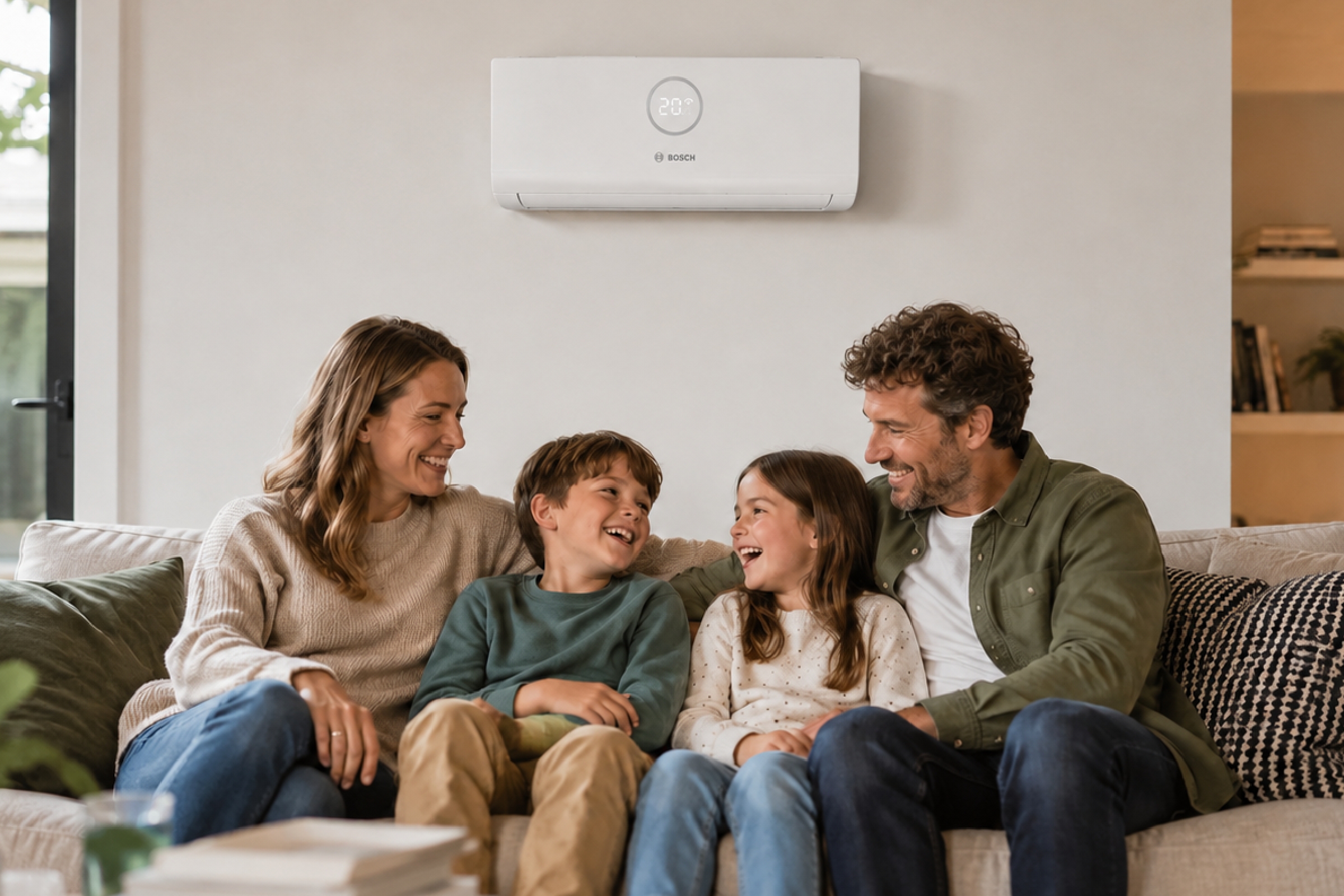
Modern air conditioning can do much more than keep a room cool in summer. Many systems can also provide heating during colder months, giving homes and businesses greater control over temperatures throughout the year.
The right air conditioning installation will depend on the property, how the space is used and how many rooms need temperature control.
If you are considering air con installation in Portsmouth, Fareham, Southampton, Winchester, Bournemouth or elsewhere along the South Coast, here are the main things to know before getting started.
What are the benefits of modern air conditioning?
Heating and cooling from one system
Many modern air conditioning systems provide both cooling and heating.
At home, this can be useful for bedrooms, home offices, conservatories and other rooms that become particularly hot in summer or difficult to keep warm during winter.
For businesses, air conditioning can help maintain a comfortable environment for staff, customers and visitors throughout the year.
Greater energy efficiency
Modern systems are designed to adjust their output according to the temperature required.
Inverter technology allows the system to increase or reduce its output rather than constantly running at full power. Once the room reaches the chosen temperature, it can maintain it more efficiently.
Correct sizing is also important. A unit that is too small for the space will need to work harder, so the capacity should be matched to the property.
More control
Depending on the system, different rooms or areas can be controlled separately rather than heating or cooling the whole property to the same temperature.
Timers, programmable settings and smart controls can also make it easier to manage when your air conditioning is running.
Air filtration
Air conditioning units circulate air through filters, helping to remove dust and other airborne particles.
Regular cleaning and servicing of these filters helps keep the system working effectively.
Which type of air conditioning system do you need?
The right system will depend on the size and layout of the property and how many areas require temperature control.
Wall-mounted split systems
A wall-mounted split system consists of an indoor unit connected to an outdoor unit.
These are often suitable when air conditioning is required in one particular room or area, such as a bedroom, living room, home office, small office or shop.
Units are available in different sizes so the capacity can be matched to the space.
Multi-split systems
A multi-split system connects several indoor units to one outdoor unit.
This can work well in larger homes and commercial properties where several rooms need their own temperature control without requiring a separate outdoor unit for each one.
Commercial air conditioning systems
Larger commercial premises may need systems designed to serve several rooms, floors or working areas.
An office will have different requirements from a restaurant, shop, hotel or other commercial building. Occupancy, opening hours, equipment and the layout of the premises can all affect the amount of heating or cooling required.
Why is an air conditioning survey important?
Every air con installation should start with a proper survey.
Room size is important, but it is not the only factor that determines which system is required.
An air conditioning survey can take into account:
- Room or building size
- Property layout
- Insulation
- Heat loss
- Windows and solar gain
- The number of people using the space
- Computers, machinery and other heat-generating equipment
- Suitable positions for indoor and outdoor units
- How regularly the system will be used
The survey helps establish the right type and capacity of system before installation begins.
Positioning matters too. Indoor units need to distribute air effectively, while outdoor units need sufficient airflow and suitable access for servicing and maintenance.
The survey also gives you a chance to discuss how you plan to use the system and which areas of the property you want to control.
Residential air conditioning installation
Residential air conditioning can be installed in one room or across several areas of the home.
Bedrooms are a popular choice, particularly in properties that retain heat overnight during summer. Home offices can also benefit, especially where computers and other equipment make a smaller room noticeably warmer.
Living rooms, conservatories and loft conversions are other common areas for residential air con.
For one room, a single split system may be enough. If several rooms need air conditioning, a multi-split system can connect multiple indoor units to one outdoor unit.
An initial survey will help determine which setup is most suitable for your home.
Commercial air conditioning installation
Commercial air conditioning should be designed around the way the premises are used.
In offices, staff numbers, computers, meeting rooms and working hours can all affect cooling requirements.
Retail premises need to consider the comfort of both staff and customers, while hospitality businesses may have different requirements across dining areas, bedrooms and communal spaces.
Larger commercial buildings may also benefit from separate temperature zones, allowing different areas to be controlled independently.
A commercial air conditioning survey allows these requirements to be assessed before the system is designed and installed.
Is air conditioning expensive to run?
Running costs depend on the system, the size of the space, how often it is used and the temperature setting.
Modern systems use inverter technology to adjust their output as required rather than continually operating at maximum power.
Timers and smart controls can also help reduce unnecessary energy use, particularly in commercial properties where rooms may only be occupied at certain times.
Energy efficiency ratings are worth considering when comparing units, but correct sizing matters too. Even an efficient system will struggle if it is not suitable for the space.
What happens during an air con unit installation?
The first stage is the survey. Once the property has been assessed, the installer can recommend a suitable system and agree where the indoor and outdoor units will be positioned.
The units are then installed and connected along with the required pipework and electrical connections.
The amount of work involved will depend on the system. A single wall-mounted unit in a home will be a much simpler installation than air conditioning across several areas of a commercial building.
Once the work is complete, your installer should also explain how to use the controls and settings.
Air conditioning installation across the South Coast
C.S. Plumbing & Heating Services Ltd provides residential and commercial air conditioning installation across Portsmouth, Fareham, Southampton, Winchester, Bournemouth and the wider South Coast.
Whether you need residential air conditioning for one room or a larger commercial air con system, the first step is to assess the property and work out what it actually needs.
Air conditioning FAQs
How often should air conditioning be serviced?
This depends on the system and how heavily it is used. For many residential systems, annual servicing is a sensible starting point, while heavily used commercial systems may need more frequent attention.
What is an air conditioning service?
An air conditioning service checks the condition and performance of the system. Regular servicing can help maintain efficiency and identify potential faults early.
What does AC servicing include?
Checks can include filters, indoor and outdoor units, electrical connections, controls, drainage and overall system performance.
What maintenance does an air conditioner need?
Filters should be kept clean and units kept clear, so airflow is not restricted. Professional servicing should also be carried out as required.
Is it worth repairing an air conditioner?
It depends on the fault, age and condition of the system. Minor faults may be worth repairing, while replacement may make more sense if an older system is becoming unreliable or inefficient.
Is air conditioning expensive to run?
Costs vary depending on the system and how it is used. Inverter technology, smart controls, sensible temperature settings and correct system sizing can all help manage energy use.
What is a commercial air conditioner?
Commercial air conditioning is used to heat or cool business premises and other commercial buildings, from small offices and shops to larger multi-room installations.
Which type of air conditioning is best for commercial use?
It depends on the building. Floor space, occupancy, working hours, equipment and how different areas are used should all be assessed before choosing a system.
Book a free air conditioning survey
If you are considering air conditioning installation for your home or business, C.S. Plumbing & Heating Services Ltd can assess your property and recommend a system based on your requirements.
We provide residential and commercial air conditioning services across Southampton, Portsmouth, Fareham, Winchester, Bournemouth and the wider South Coast.
Book a free air conditioning survey to discuss your requirements and find the right system for your property.